
Home Water Damage Coverage Gaps: What Canadian Homeowners Should Know
Understand home water damage coverage gaps in Canada, from burst pipes to sewer backups and exclusions. Learn what to check in your policy before a loss occurs.
October 15, 2026
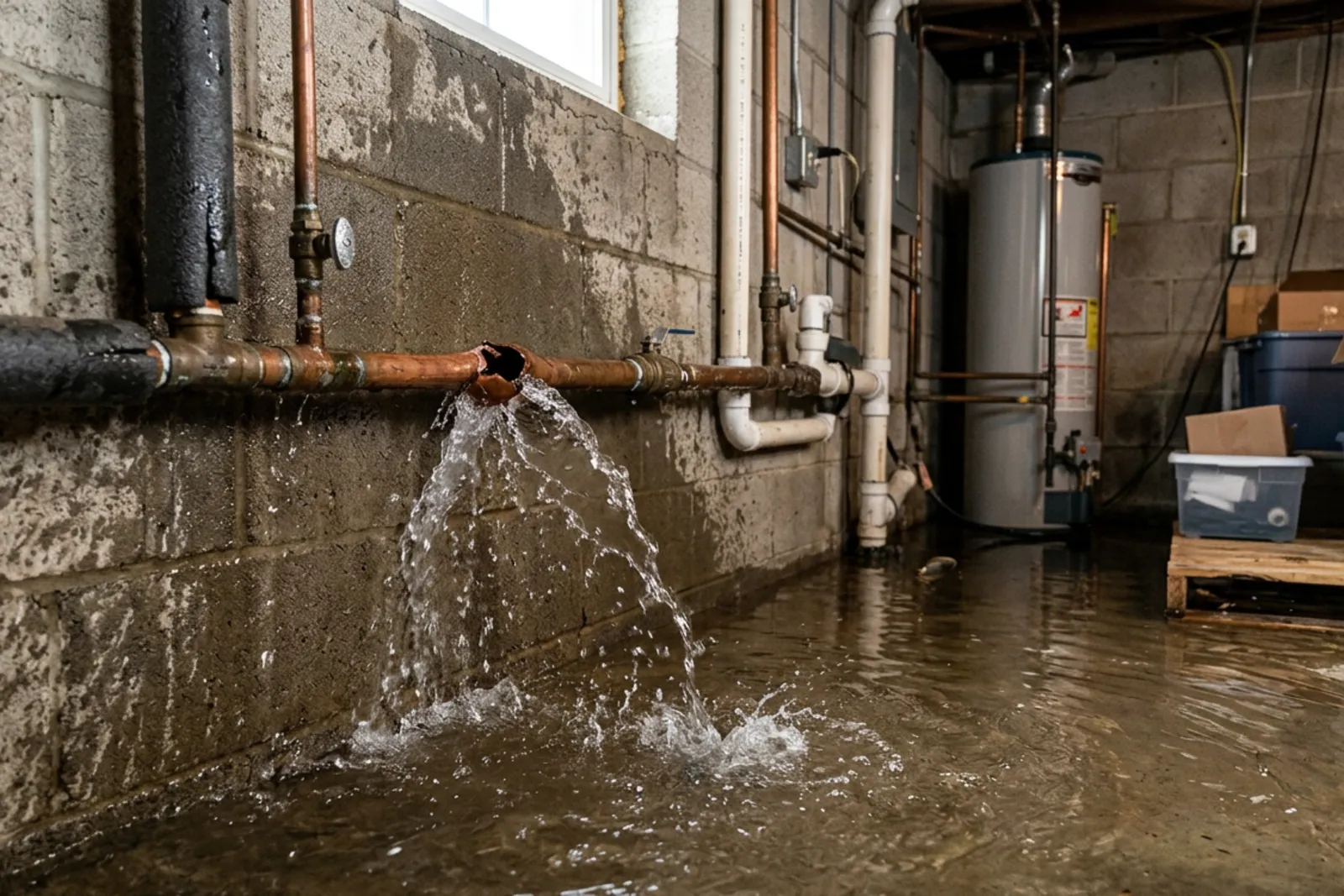
A wet basement can be stressful enough without uncertainty about insurance. Yet two homes with similar damage can have very different claim outcomes. One may have a burst pipe covered under its policy. Another may have water entering through a foundation crack, which the policy excludes.
The difference is often the source of the water, how the damage developed, and the coverage purchased before the loss.
For Canadian homeowners, understanding those distinctions is a practical part of financial planning. A home is often a household’s largest investment, and repairs can affect savings, mortgage obligations, and everyday living expenses. You do not need to memorize your insurance contract. You do need to know which questions to ask and where coverage gaps may exist.
What Home Insurance Does, and Where Its Protection Stops
Home insurance is generally not legally required for individual homeowners in Canada, although mortgage lenders commonly require it as a condition of financing. Having a policy, however, does not mean every kind of property damage is insured.
Depending on its terms, a policy may protect the building, personal belongings, and your personal liability if you are legally responsible for injury or damage to someone else. It may also pay additional living expenses when a covered loss makes your home temporarily uninhabitable.
These protections have boundaries. Exclusions remove certain risks, conditions set out responsibilities, and limits cap the amount payable. Endorsements change the standard contract, sometimes by adding protection that would otherwise be unavailable.
Water damage makes these boundaries especially clear. “Water damage” describes the result. The insurer still needs to establish the cause and determine whether that cause falls within your coverage.
Why the Source of Water Matters
A basement can flood because a pipe breaks, rainwater enters from outside, or a sewer backs up. The cleanup may look similar, but the insurance provisions may not.
Sudden plumbing leaks
A sudden, accidental escape of water from a plumbing system may be covered under a basic home insurance policy. A burst supply pipe is a common example.
Even then, there are details to check. Coverage for the resulting damage does not necessarily mean the insurer will pay to replace the worn-out pipe or appliance that caused it. Conditions relating to heating, absence from the home, or the property’s occupancy status may also affect a claim.
A slow leak is different. If water has been dripping behind a wall for months, exclusions for repeated leakage, deterioration, or inadequate maintenance may apply. Discovering the damage suddenly does not necessarily make the event itself sudden.
Overland water
Overland water coverage generally addresses certain kinds of freshwater entering a property from outside. Depending on the policy, this may include overflowing rivers or lakes, heavy rainfall, or snowmelt.
This protection is commonly offered through an endorsement rather than automatically included in basic coverage. Its availability and scope vary with the insurer, property location, and assessed risk.
Do not assume that every event commonly called a “flood” qualifies. Groundwater, seepage through foundations, coastal flooding, storm surge, and other water sources may have separate treatment or exclusions. The policy’s definition matters more than the label used in conversation.
Sewer and drainage backup
Sewer backup coverage generally concerns water or sewage entering through specified drains or systems. Some endorsements also address sump-related events, but those provisions vary.
A sewer backup endorsement should not be treated as a substitute for overland water coverage. Likewise, buying overland protection does not automatically mean every drainage backup is insured.
Ask which systems and circumstances are included. That question is more useful than simply asking whether you have “flood insurance.”
One Rainstorm Can Create Several Coverage Questions
Imagine a heavy rainstorm that leaves water in your basement. Rainwater pools beside the house and enters through a window well. At the same time, an overloaded drainage system sends water back through a floor drain.
Those are potentially different causes of loss, even though they happened during the same storm.
The insurer may need evidence about where the water entered, which damage came from each source, and how the relevant exclusions or endorsements interact. Policy wording can also affect situations involving more than one cause.
This is why it helps to understand your coverage before bad weather arrives. Homeowners in Vancouver, Edmonton, or communities across Ontario should assess their property’s particular exposure rather than rely on a broad assumption about regional risk.
Local drainage, nearby water bodies, lot grading, and basement construction all matter. A home far from a river can still experience rainfall-related water entry or sewer backup.
Exclusions, Limits, and Deductibles Are Different
These terms are easy to blur together, but they create different financial risks.
An exclusion means the policy does not cover a specified event or circumstance. If the applicable water source is excluded, a high building coverage limit will not solve the problem.
A limit is the maximum payable for a covered loss, subject to the contract. A policy may insure the home for a substantial amount while setting a lower limit for a particular water endorsement.
A deductible is the portion of a covered loss you are responsible for paying. Water coverage may have a different deductible than other parts of the policy.
For example, suppose a covered sewer backup causes $40,000 in damage, but the endorsement has a $25,000 limit. The homeowner could face a substantial shortfall. The deductible and the contract’s method of applying the limit will determine the exact payment.
An endorsement may expand coverage or increase a limit, but it is not a blanket guarantee. Read its definitions, restrictions, and exclusions alongside the main policy.
Other Coverage Gaps Worth Understanding
Water protection deserves attention, but it is only one part of a home insurance review. Other exclusions and special limits can also leave homeowners paying unexpected costs.
Wear, deterioration, and maintenance
Home insurance is generally designed for insured losses, not routine upkeep. Rust, corrosion, aging materials, and gradual deterioration are commonly excluded.
A neglected roof or unresolved plumbing leak can therefore create two problems: the repair expense itself and uncertainty about coverage for resulting damage. The treatment of that damage depends on the policy and the circumstances.
Mould
Mould is often excluded or subject to restrictions because it can develop gradually. Some policies may provide limited protection when mould results from a covered event, but homeowners should not assume that all testing and remediation costs are included.
Prompt leak repair, drying, and appropriate professional restoration help reduce the risk. Visible dryness does not necessarily mean moisture has been removed from wall cavities or beneath flooring.
Pests and earth movement
Infestations involving mice, termites, bedbugs, or other pests are typically considered maintenance-related rather than insured events.
Earthquakes and other forms of earth movement are also commonly excluded from basic policies. Separate earthquake protection may be available, while sinkholes, mudflows, and related hazards need careful review because definitions differ.
Valuable belongings and deliberate damage
Jewelry, artwork, designer goods, and other valuable belongings may be covered only up to special limits or under particular conditions. These are often coverage-limit issues rather than complete exclusions. Scheduled coverage or an endorsement may be appropriate.
Deliberate damage caused by an insured person is generally excluded, although the treatment of other household members can depend on the wording and applicable law.
War and nuclear risks are commonly excluded. Terrorism provisions also require review because policies may distinguish between different events and resulting losses.
How to Reduce Water Damage Risk at Home
Insurance transfers some financial risk. Maintenance reduces the chance that you will need to make a claim.
Start with how water moves around the property. Keep gutters and downspouts clear, and make sure discharge arrangements follow local requirements and do not create problems for neighboring properties. Watch for pooling water beside the foundation and changes in grading that direct runoff toward the house.
Inside, inspect accessible plumbing connections, appliance hoses, and areas beneath sinks. Staining, musty odors, peeling paint, and unexplained moisture deserve attention before a larger problem develops.
Sump pumps and backwater valves can help with specific risks, but they need proper installation and maintenance. They also do not guarantee insurance coverage. Ask a qualified professional which measures are suitable for your home and whether local permits are required.
Water sensors and automatic shutoff devices may help detect or limit some plumbing leaks. Their usefulness depends on placement, maintenance, and the source of the water. A shutoff device cannot stop a river from overflowing.
If you will be away, review your policy’s requirements for home checks, heating, and water shutoff. Do not rely on a neighbor’s policy conditions being the same as yours.
What to Do When You Discover Water Damage
Safety comes first. Standing water can conceal electrical hazards, and sewage-contaminated water requires particular care. Avoid entering an unsafe area and seek emergency assistance when needed.
Once it is safe, take reasonable steps to prevent further damage without putting yourself at risk. A practical sequence is:
Stop the water source if you can do so safely, such as shutting off the water supply for a plumbing leak.
Contact your insurer promptly and ask about emergency mitigation, documentation, and restoration arrangements.
Photograph the damage and, if safely observable, the likely entry point or source.
Keep receipts for emergency work and record damaged belongings.
Confirm what should be retained for inspection before disposing of items, unless safety requires immediate removal.
Do not delay necessary emergency mitigation while waiting for a final coverage decision. At the same time, ask about authorization before committing to major non-emergency repairs.
Good documentation helps establish what happened. It does not create coverage where none exists, but it can reduce confusion during the claim assessment.
Make Your Annual Review Specific
A useful insurance review goes beyond checking whether the premium increased. At renewal, ask your insurance professional to walk through realistic scenarios for your property.
Would rainwater entering through a basement opening be covered? What about a floor-drain backup? Are groundwater and repeated seepage excluded? Does a sump pump failure fall within an endorsement?
Then confirm the limits, deductibles, and conditions for each type of water protection. Ask how additional living expenses work if a covered event forces you to leave the home, including any dollar or time limits.
Review the building’s replacement value rather than relying on its real estate market price. Land value and rebuilding cost are different. Renovations, a finished basement, or changes in construction costs may affect the amount needed to restore the property.
Significant purchases and household changes also justify a review. Personalized advice is most useful when it is based on accurate information about the home, its use, and its contents.
Know the Gap Before You Need the Coverage
The most useful question is not “Does my insurance cover water damage?” It is “Which sources of water are covered, under what conditions, and up to what amount?”
That shift makes a policy review more concrete. You can compare your property’s risks with the protection you actually have, identify exclusions, and decide whether available endorsements are worth adding.
You cannot prevent every leak or storm. You can maintain the home, document its contents, and understand the financial exposure you are keeping. Those steps make an unpleasant surprise easier to manage, without assuming that every wet floor leads to a paid claim.
Planning your next financial move?
Insurance, investment, mortgage and real estate guidance under one roof.
Get Great Advice